
Healthy soil is the foundation for productive yields, resilient crops, and long‑term farm profitability. When inputs are demanding all-time high prices and commodity markets are lackluster, having functioning and healthy soil can be critical to a successful crop. But, how do you know if your soil is healthy?
One way to measure soil health is through soil health testing. Soil health testing goes beyond traditional N‑P‑K analysis to give you a deeper look at the biological and chemical processes that drive nutrient availability. By evaluating how the soil’s biology interacts with organic matter and nutrients, we gain a clearer picture of how efficiently your soil is functioning.
A soil health sample—such as the Haney test—measures soil respiration, organic carbon, nitrogen availability, and microbial activity. This information can indicate how well the soil can cycle nutrients naturally. Once analyzed, the results offer actionable insights that help you improve soil structure, boost nutrient efficiency, and build long-term soil resilience. Some tests will give you a recommendation on cover crop blends to help further improve your soil health.
Key Benefits of Soil Health Testing
- Holistic insight into soil function — Tests like the Haney test evaluate biological activity, organic carbon, and nutrient cycling, giving a fuller picture than standard fertility tests.
- More efficient fertilizer decisions — By understanding how much nitrogen and carbon the soil can naturally supply, you can fine‑tune inputs and avoid unnecessary costs.
- Improved long‑term soil resilience — Soil health testing highlights opportunities to build organic matter, enhance microbial life, and strengthen the soil’s ability to withstand stress.
This year, Mercer Landmark is executing a research protocol to compare soil health samples in fields with cover crop vs fields with no cover crop. The results will show us whether there are differences in microbial activity, nutrient availability, and water holding capacity.
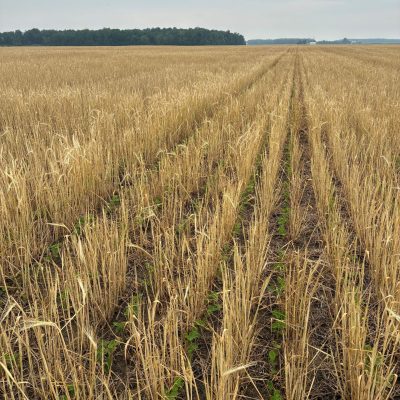
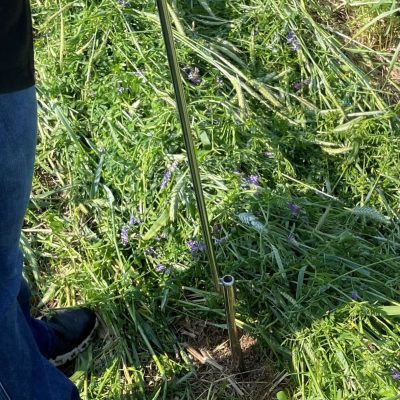
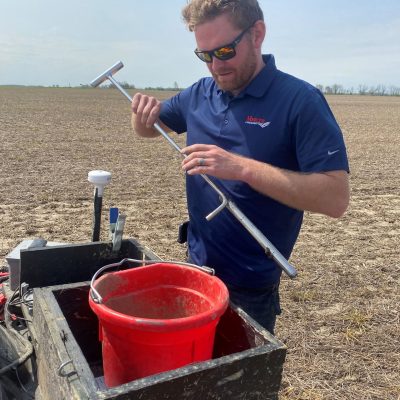
You can’t manage what you don’t measure, and that includes soil health. While traditional soil sampling results provide a lot of insight to fertility management, soil health sampling can offer a different perspective on how to ensure your soil is functioning to support a healthy crop.
Looking for more info on soil health? Check out this blog post: https://mercerlandmark.com/importance-of-soil-health-and-farming/
Interested in soil health testing for your farm? Contact your Mercer Landmark crop production advisor or our conservation agronomist, Michael Watercutter.

The mission of Mercer Landmark Inc. is to make a difference by providing profitable solutions that keep agricultural producers and communities growing. Mercer Landmark is a farmer-owned cooperative with over 300 employees and 20+ locations throughout northwest Ohio. Our team is fully equipped to provide customers with the industry knowledge and expertise they need to make smart, profitable decisions for their operation. Our continuous investment in our people, facilities and technology has allowed us to expand our offerings, provide the best service and solutions for our customers and help contribute to our mission to safely and effectively Feed the World.